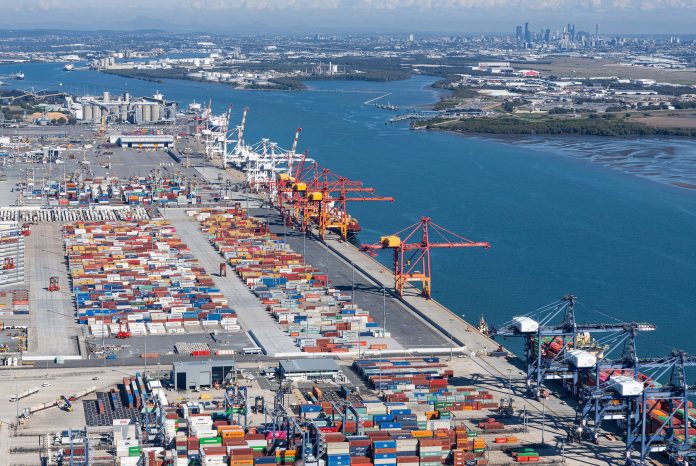

Port of Brisbane has confirmed that the Environmental Impact Statement for its proposed Channel Enhancement Project remains on schedule.
The port expects to submit the draft EIS to the Office of the Coordinator-General in mid-2027.
Technical studies covering environmental, cultural, social and economic issues are currently underway. The studies will assess the project’s potential impacts according to the approved Terms of Reference.
Project aims to accommodate larger vessels
The Channel Enhancement Project is a proposed 25-year initiative designed to increase the long-term capacity of the region’s shipping network.
The project would enable the Port of Brisbane to accommodate larger vessels and support future trade growth.
“The Channel Enhancement Project is a proposed 25-year initiative designed to add long-term capacity to the region’s shipping network and accommodate larger vessels needed to support future trade growth,” said Brendan Connell, Project Director and Executive General Manager of Sustainability and Corporate Relations at Port of Brisbane.
“Significant work is underway across a range of environmental and other technical disciplines to inform the EIS, including geotechnical investigations currently being undertaken at multiple locations across the bay,” he added.
Community consultation planned
Port of Brisbane will hold community information sessions in Caloundra, Bribie Island, Redcliffe and the Redlands during September and October 2026.
The sessions will allow community members to meet the project team, learn about the proposal and understand the EIS process.
Participants will also be able to discuss the technical studies and provide feedback.
“We are also committed to keeping communities informed and providing opportunities for people to learn more about the project, ask questions and contribute to the assessment process,” said Connell.
Draft EIS to undergo adequacy review
Once completed, Port of Brisbane will submit the draft EIS to the Office of the Coordinator-General for an adequacy review.
The document will then be released for public consultation.
Community and stakeholder feedback will inform the final EIS, which will be submitted to the Queensland and Australian governments for consideration.