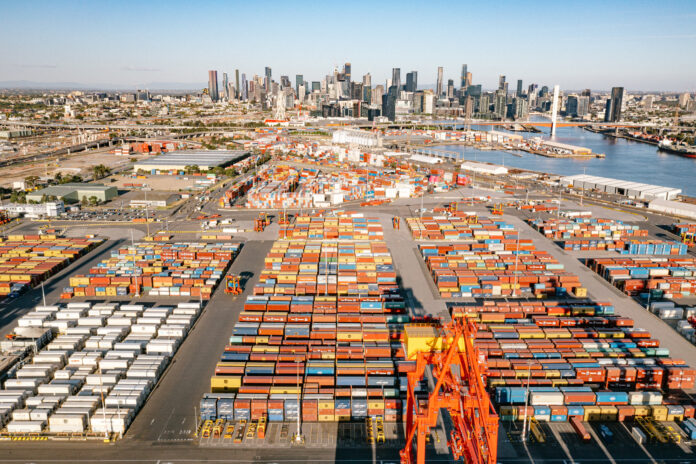
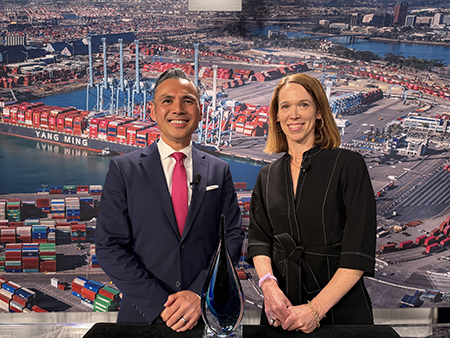

Port of Long Beach CEO Dr Noel Hacegaba used the port’s Supply Chain Insight media briefing to make the strategic case for rail infrastructure as the central enabler of the port’s long-term ambition to double annual cargo volumes to 20 million containers by 2050, with the Pier B On-Dock Rail Support Facility identified as the most critical ongoing investment in that direction.
Hacegaba highlighted the shifting geography of US trade, with Vietnam now established as the Port of Long Beach’s second-largest trading partner behind China, reflecting the broader trend of companies diversifying sourcing and manufacturing away from a single country.
He noted that the longer transit times associated with Southeast Asian origins make on-dock rail connectivity more strategically important, not less, as speed to market becomes the defining competitive variable for West Coast ports.
The briefing was joined by Anne Reinke, President and CEO of the Intermodal Association of North America, who discussed the value of intermodal solutions and the importance of strengthening cargo security and funding rail infrastructure projects at the federal level.
Hacegaba also addressed August cargo performance, attributing record volumes of 919,992 TEUs, the busiest August in the port’s history and up 2% year-on-year, to a combination of tariff-driven frontloading of goods and transit restrictions at the Panama Canal.
Imports rose 3.6% to 456,100 TEUs, exports grew 4 percent to 99,754 TEUs and empty containers edged down 0.39%.
Year-to-date volume through August stands at 6,678,078 TEUs, up 1.3% on the same period last year.